

A boiler’s lifespan typically depends on its type, usage, maintenance, and installation quality. So, when asking how long do boilers last, the average life expectancy can be anywhere between 10 to 15 years. However, there is more to this. Here you’ll learn some general guidelines for the expected lifespan of various boiler types and the telltale signs needed to replace your boiler.
Table of contents:
- How long does a boiler last?
- What contributes to the lifespan of a boiler?
- How do you know when your boiler needs replacing?
- How long does it take to replace a boiler?
- Final-thoughts
How long does a boiler last?
The average boiler should last between 10 and 15 years, but it can last longer with proper maintenance. So, let’s take a closer look at how long a boiler should last depending on the type.
| Boiler | Lifespan |
| Gas boilers | 15 to 30 years |
| Oil boilers | 15 to 30 years |
| Combi boilers | 15 to 10 years |
| Condensing boilers | 20+ years |
| Electric boilers | 20 to 25 years |
Remember, these are averages. Regular maintenance and prompt repairs can extend their lifespan. That said, let’s look a little deeper into each type.
How long do gas boilers last?
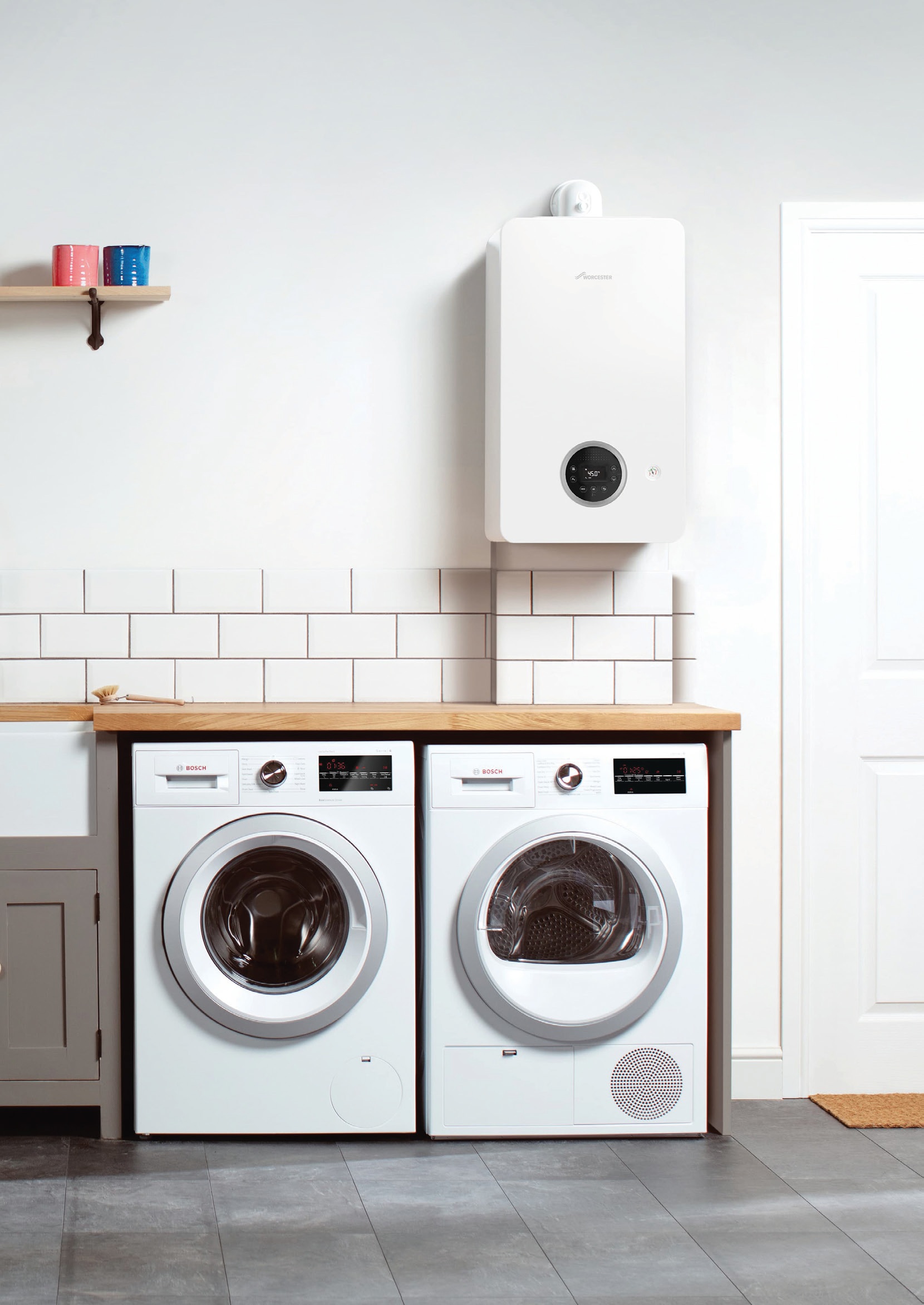
On average, well-maintained standard gas boiler can last anywhere from 15 to 30 years. Regular maintenance and prompt repairs can extend their lifespan.
A standard gas boiler can last several years longer than a condensing boiler because of high-efficiency systems that reclaim acidic flue gases to extract additional heat, resulting in quicker wear on the system parts during usage. With that said, a high-efficiency boiler is also more cost-efficient, so replacements can be more friendly for a lower budget.
How long do oil boilers last?
The average oil boiler lasts between 15 to 30 years, like a gas boiler. Correct maintenance can lengthen their lifespan.
An oil boiler typically lasts longer than gas alternatives because of their sturdy design and lower running pressure. Though again, this will depend on maintenance, when it is used and how often.
How long do combi boilers last?
One of, if not the most popular type in the UK, combi boilers are known for their space-saving design and efficiency. They typically last around 15 to 20 years with proper maintenance.
Moreover, the lifespan of combi boilers can depend on the complexity of their design and their function. Since combi boilers can have different operations, such as combined supply of hot water plus heating systems, they can be exposed to more wear and tear during their usage. Though modern design has minimised this issue.
How long do condensing boilers last?
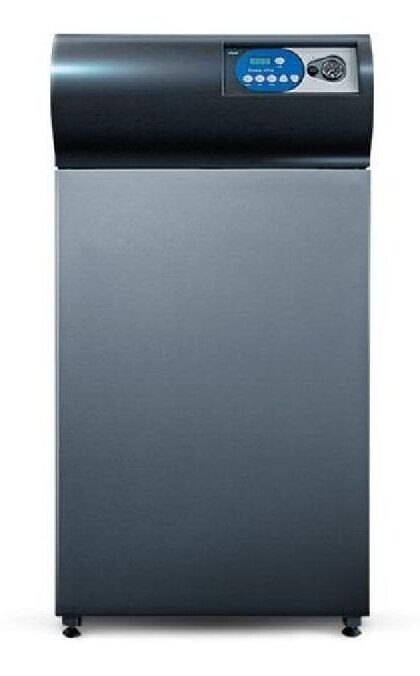
High-efficiency condensing boilers are more efficient and tend to last longer than standard boilers. With proper maintenance, they can last 20 years or more.
Regarding maintenance, condensing boilers may need more frequent servicing than other boiler types not using condensing methods to process combustible materials like gas or oil. This is because their condensate pipe is vulnerable to freezing.
How long do electric boilers last?
Electric boilers often have a longer lifespan compared to gas or oil boilers, typically lasting 20 to 25 years or more. They are simpler in design and have fewer components that can wear out.
What contributes to the lifespan of a boiler?
The main contributors to long-life boilers are as follows:
Maintenance
Regular maintenance can significantly extend a boiler’s life. This includes things like:
- Annual inspections
- Cleaning
Neglecting maintenance can lead to premature failure.
Water quality
The quality of the water in the heating system can affect a boiler’s lifespan. To prevent corrosion and scale build-up, you need to perform:
- Proper water treatment
- Regular system flushing
Usage
How often the boiler is used and the demands placed on it can affect its lifespan. A boiler used for heating alone may last longer than one used for both heating and hot water production.
Installation quality
A professionally installed boiler is less likely to develop problems. Ensure that a qualified professional installs your boiler correctly.
Brand and quality
The brand and quality of the boiler can influence its durability. It should go without saying that high-quality boilers from reputable manufacturers tend to last longer.
Environmental factors
The environment in which the boiler runs can also play a role. Naturally, extreme weather conditions or exposure to corrosive elements can affect its lifespan.
So, in summary, to maximise the lifespan of your boiler, it’s essential you need to:
- Schedule regular maintenance by a qualified technician.
- Address any issues promptly.
- Consider upgrading to a more efficient model when the time is right.
Regardless of brand or type, always consult the manufacturer’s recommendations and guidelines for your specific boiler to ensure its longevity.
How do you know when your boiler needs replacing?
Knowing when to replace your boiler is critical to maintaining the safety, efficiency, and comfort of your home. Let’s look at how frequently a boiler should be replaced, plus some signs that your boiler may need to be replaced.
Age
If your boiler is approaching or has exceeded its lifespan, start thinking about a replacement. Even if it is functioning well.
15 years, though on the lower end for many boiler ages, is often the time heating professionals advise for a replacement. Typically, because efficiency can decline, which can increase bills and repair frequency.
Frequent repairs
If you’re calling for boiler repairs all the time or repair costs are becoming extortionate, investing in a new boiler can be more cost-effective. Frequent breakdowns are a sign that the boiler is reaching the end of its life.
Inefficient operation
An inefficient boiler will mean higher energy bills. If you notice a significant increase in your heating costs, or if your boiler has a low energy efficiency rating, it might be time to replace it with a more energy-efficient model.
Uneven heating
If some rooms in your home are consistently too hot or too cold, and the boiler can’t supply consistent heat, it could be a sign of a failing boiler.

Yellow flame or soot
If you have a gas boiler and you notice:
- The flame is yellow or orange instead of blue or;
- You see soot or other signs of incomplete combustion.
It could indicate a dangerous issue that requires immediate attention. This could be a sign of a carbon monoxide leak, which is extremely hazardous.
Strange noises
Unusual noises such as:
- Banging
- Whistling
- Gurgling
Coming from the boiler can be a sign of internal problems. While not always indicative of a need for replacement, they should be checked by a professional.
Visible rust or corrosion
If you notice your boiler or the pipes have:
- Extensive rust or;
- Corrosion
It may be a sign that the boiler is deteriorating and nearing the end of its service life.
Safety concerns
If the boiler poses safety concerns, such as:
- Frequent pilot light outages
- Gas leaks or
- The presence of carbon monoxide
It’s imperative to replace it as soon as possible for your and your household’s safety.
Inadequate hot water
If your boiler also provides hot water and you’re experiencing:
- A consistent lack of hot water or
- A decline in hot water quality
- It may be time for a replacement.
When considering boiler replacement, consult with a qualified heating professional. They can assess your situation, recommend suitable replacement options, and ensure proper installation.
The fact is that replacing an inefficient old boiler with an energy-efficient modern boiler can result in cost savings, improved comfort, and increased safety.
How long does it take to replace a boiler?
Replacing a boiler can take anywhere from one to three days. Unexpected complications or additional work, such as repairing or replacing damaged pipes or radiators, can extend the timeline.
Moreover, the time of year can also affect scheduling. HVAC contractors may have busier periods during extreme weather seasons.
Here’s a rough breakdown of the process.

Step 1: Removing the old boiler
Boiler removal is typically the most time-consuming part of the process. This can take a day or more, depending on the complexity of the removal, especially if significant modifications are needed to the existing system.
Step 2: Installing the new boiler
New boiler installation involves connecting it to the existing heating system, including all the following:
- The pipes
- Radiators
- Controls
This step can take a day or more, depending on the complexity of the installation and any modifications needed. A like-for-like replacement in the same location will be faster than changing boiler types and/or sizes.
Step 3: Testing and commissioning
After installing the new boiler, it needs to be thoroughly tested to ensure it runs correctly and safely. This includes:
- Checking for leaks
- Verifying proper combustion and;
- Adjusting settings as needed
Depending on the circumstances, testing and commissioning can take several hours to a full day.
Step 4: Final inspection and cleanup
Once the installation is complete, the HVAC contractor will perform a final inspection to ensure everything is functioning as it should. They will also clean up the work area and remove any debris.
Step 5: Explanation and handover
Finally, the technician will provide you with instructions on how to use and look after your new boiler. At this point, they’ll also address any questions or concerns you may have.
That’s it – you can now enjoy your brand-new boiler!
Final thoughts
A well-maintained, energy-efficient boiler is essential to the well-being and comfort of your household.
Moreover, it will help you save money on your energy bills. During an ongoing cost-of-living crisis, that’s no small matter.
Now you know the answer to the question ‘How long do boilers last?’, as well as how to tell when it’s time to replace yours. So, you’re ready to make the necessary changes without breaking the bank.

Was this guide useful?
Mentioned in this project guide:


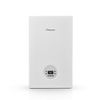


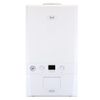
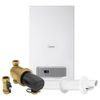
Glow-Worm Energy7 Combi Restart Pack with Horizontal Flue & System Filter
from
£1,225.36 Incl. VAT
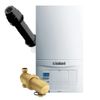
Vaillant ecoFIT Pure Combi Restart Pack with Vertical Flue & Advance Filter
from
£1,453.34 Incl. VAT